

Empty cart
Oh no! It appears your cart is empty. Add some almonds to your daily regime with the Treehouse products.
All Blog PostsNews

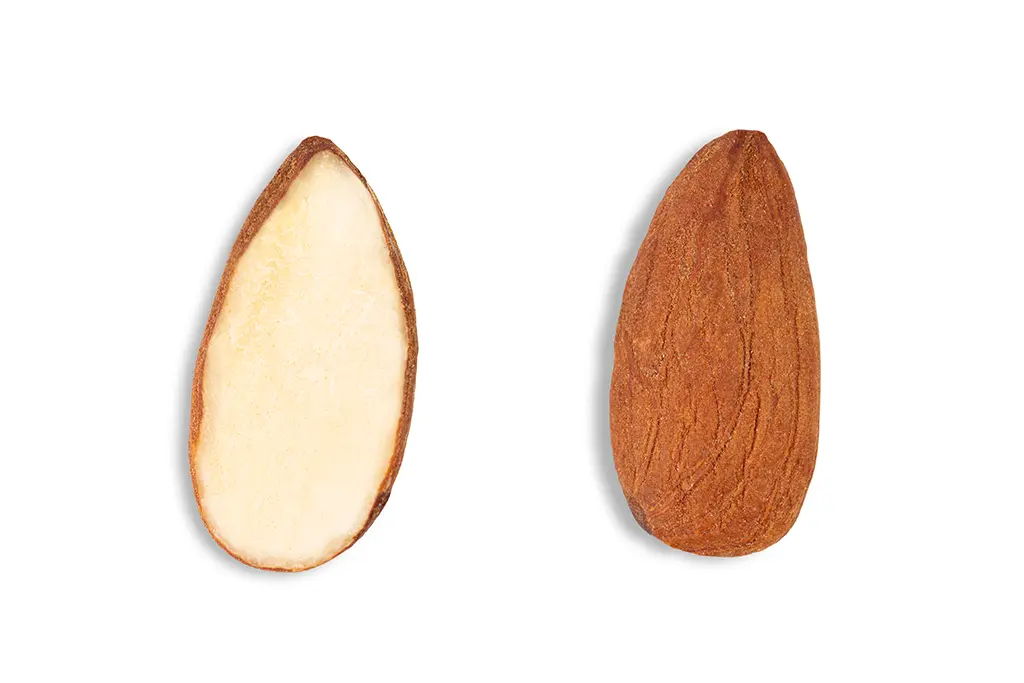
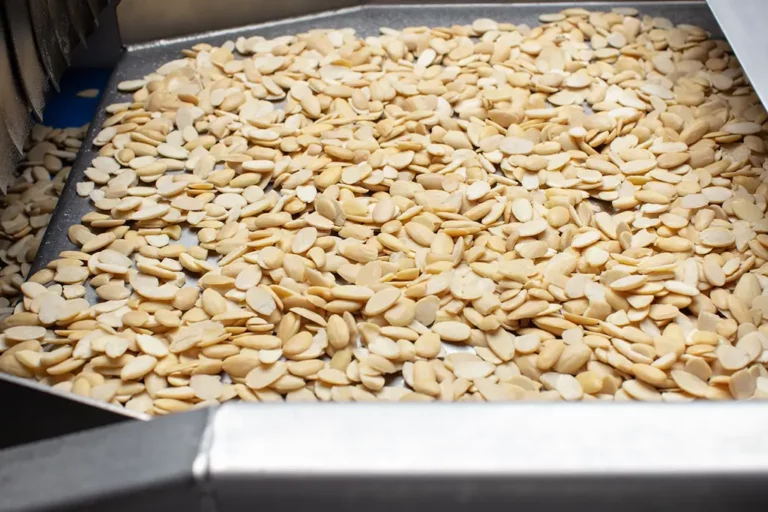
Almonds are more than a snack—they’re a powerhouse ingredient for today’s healthy and functional foods. Among the many almond formats, almond halves stand out for their versatility, nutritional profile, and appealing appearance. They retain the natural texture, taste, and nutrient content of whole almonds while being more adaptable in recipes and production.

Almond halves are rich in plant-based protein, healthy fats, fiber, and essential vitamins and minerals. Whether added to cereals, salads, protein bowls, or baked goods, they add nutritional value and visual appeal.
Their recognizable shape and natural finish contribute to a clean, premium appearance, making them ideal for food brands focused on quality and aesthetics. Visually, almond halves add texture, visual appeal, and an artisanal touch to food presentations.
According to USDA FoodData Central, a 1-ounce serving of almonds provides approximately 6 grams of protein, 3.5 grams of fiber, and significant amounts of vitamin E and magnesium.
From heart health to sustained energy, almond halves reinforce essential functional considerations in food development. Naturally cholesterol-free and low in sugar, almonds are associated with improved cardiometabolic health when included in a balanced diet.
Their whole-grain format also appeals to clean-label consumers who follow a plant-based diet and seek simple, recognizable ingredients.

Almond halves can be roasted, spiced, or simply added raw to recipes. They’re commonly found in:
• Premium granolas and muesli
• Nut and fruit bars
• Salads and plant-based bowls
• Gourmet baked goods
Thanks to their natural appearance, they provide the health and artisanal flavor that today’s consumers seek in food products.
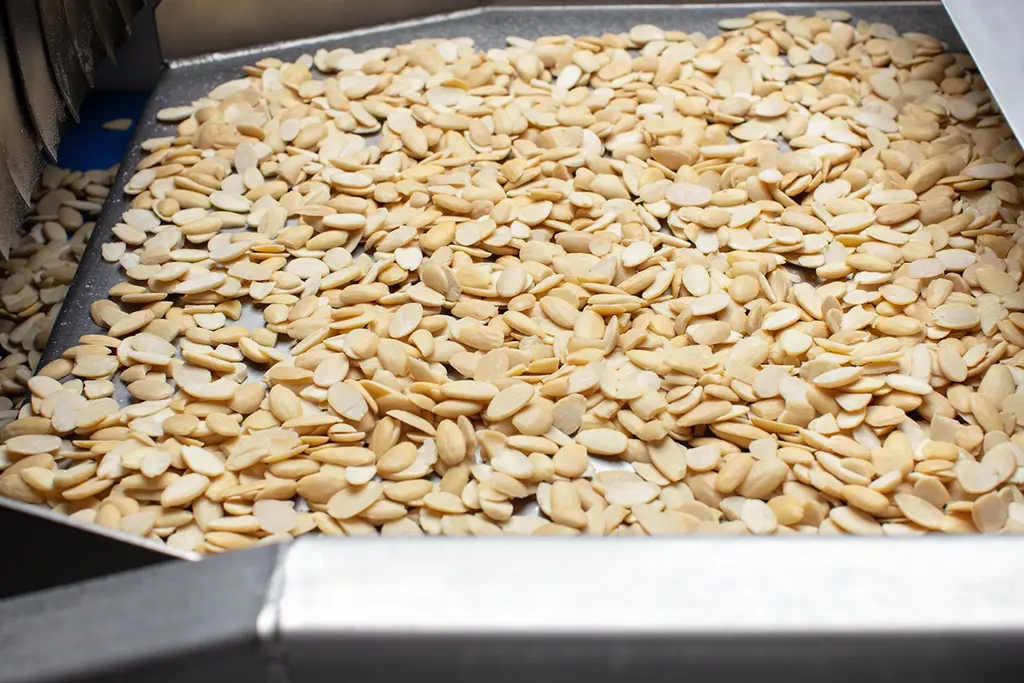
At Treehouse California Almonds, we work closely with farmers and food brands to deliver almond halves that meet high standards for nutrition, taste, food safety and appearance.
Our vertically integrated processes ensure traceability, consistency and minimal breakage while preserving the natural integrity of the almond.
To explore our almond halves in detail, visit our website: Almond Halves
Let’s innovate together. Contact us to discover how Treehouse’s almond halves can power your next product line: sales@treehousealmonds.liona.ag
Source:
Stay tuned for the release of significant almond industry information, such as almond crop estimates and acreage reports. You’ll also find Almond Board shipping reports and related analysis from the Treehouse Almonds Leadership Team.
Be in the loop for vital news about the California almond market.
Enjoy 10% off when you order 6 or more